Conditions & Treatments

Conditions Treated

Our multi-disciplinary teams have extensive experience in successfully treating a wide range of acute and chronic back, neck and spinal conditions. You can download our free, patient-focused guides to some of the more common conditions here:

Conditions Treated include:

Cervial

Cervical Radiculopathy

Cervical radiculopathy, sometimes referred to as Brachialgia, is essentially a pinched nerve syndrome that happens in your neck. It is characterised by neck pain that can radiate into the shoulder and down the arm. It can also be associated with weakness of the arm and numbness in the hands and fingertips.

Cervical radiculopathy usually only affects one side of the body and is typically caused by a bulging or ‘slipped’ disc in the spine. The majority of people with cervical radiculopathy will improve without treatment, with 88% making a significant recovery within 4 weeks of conservative management. However, in more serious cases certain surgeries may be performed to reduce pain, restore spinal function, and improve quality of life.

Free Guide Here
Cervical

Cervical Myelopathy

Cervical myelopathy is the medical term for dysfunction of the spinal cord in the neck. Patients with cervical myelopathy typically struggle to use their hands like they are used to; activities like buttoning up shirts or tying shoelaces can become progressively difficult. Problems balancing oneself and walking normally and leg weakness are also common, along with neck pain and stiffness.

Cervical myelopathy is suspected when these symptoms affect both sides of the body and have lasted a long time without improvement. Causes are usually degenerative, which means natural wear-and-tear of the spine (causing compression of the spinal cord) that happens as we age, but this is always confirmed with an MRI scan. If caught early the prognosis is typically good, but due to the nature of this condition minimally invasive surgical intervention is often necessary to provide definitive and lasting symptomatic relief.

Free Guide Here
Lumber

Lumber Spinal Stenosis

Lumbar spinal stenosis is a condition where your spinal canal within the lower spine become narrowed, putting pressure on the nerves within. It is characterised by lower back pain that can radiate into the buttocks, thighs, and legs, sometimes causing numbness, weakness, or a heavy feeling in the legs, especially when walking or standing for long periods.

Symptoms often improve when sitting or leaning forward. Lumbar spinal stenosis can affect one or both sides of the body and is most commonly caused by age-related changes such as disc degeneration or thickening of spinal ligaments.

Many people with lumbar spinal stenosis can find relief with conservative measures like physiotherapy, pain management, and activity modification. However, in more severe or progressive cases, surgical interventions may be considered to decompress the nerves, reduce pain, and improve mobility and quality of life.

Free Guide Here
Sciatica

Sciatica

Sciatica is a condition characterised by pain radiating along the path of the sciatic nerve, which extends from your lower back through the hips and buttocks and down each leg. It may also be accompanied by numbness, tingling, or weakness in the leg.

This condition typically only affects one side of the body and can cause mild discomfort to severe pain, significantly impacting daily activities. The number of people who develop sciatica in their lifetimes ranges from 13 – 40%, making it a relatively common, but very treatable condition.

Free Guide Here
Slipped Herniated

Slipped Herniated Discs

A slipped disc, also known as a herniated or prolapsed disc, is a common spinal condition that can cause significant pain and discomfort, affecting mobility and overall quality of life. If you are experiencing persistent back or neck pain, tingling sensations, or weakness in your limbs, a herniated disc could be the underlying cause.

The symptoms of a herniated disc depend on its location within the spine and the extent of nerve involvement. The most common areas affected are the lower back (lumbar spine) and the neck (cervical spine).

Free Guide Here
Spinal

Spinal Tumours

Spinal tumours are abnormal growths that develop within or around the spinal cord or vertebrae. These tumours can be primary (originating in the spine) or secondary (metastatic, spreading from other parts of the body). Symptoms often include persistent back or neck pain, numbness, tingling, weakness in the limbs, difficulty walking, and, in some cases, loss of bladder or bowel control. The severity and progression of symptoms depend on the tumour’s size and location.

While spinal tumours are relatively rare, they can significantly impact an individual’s quality of life. Early diagnosis and treatment, which may involve surgery, radiotherapy, or chemotherapy, are crucial for better outcomes. According to NHS data, the incidence rate for primary central nervous system tumours, which includes spinal cord tumours, is 9.1 per 100,000 population for men and 6.7 per 100,000 population for women in England.

Free Guide Here
Spinal Fractures

Spinal Fractures

Spinal Fractures are breaks or cracks in the bones of the spine, known as vertebrae, and can occur in different regions of the spine including the cervical (neck), thoracic (mid-back), lumbar (lower back) and sacral spine (base of the spine).

Free Guide Here
Understanding Back Pain

Understanding Back Pain

Chronic pain is complex and often more than just a physical issue. It can involve: - Changes in hoe your body processes pain. - Emotions like stress, anxiety or depression. - Lifestyle and job-related factors. This is called biopsychosocial model - which means pain is influenced by your body, mind and surroundings.

Free Guide Here
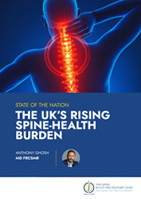
State of the nation

The UK’s Rising Spine-Health Burden

An in-depth look at the UK’s rising spine-health burden - and what it means for your movement, wellbeing and future.

Free Guide Here

Conditions Treated include:

- General back pain
- Sciatica / leg pain
- Slipped / herniated disc
- Spinal fractures
- Cervical radiculopathy
- Spinal cord compression
- General neck pain
- Brachalgia / arm pain
- Spondylosis & Spondylolisthesis
- Spinal stenosis
- Spinal tumors
- Piriformis syndrome

Treatments Available include:

- Osteopathic manipulation and massage
- Physiotherapy
- Chiropractic manipulation and stretching
- Integrated pain management
- Nerve injections
- IDD therapy
- Spinal fixation
- Minimally invasive / keyhole surgery
- Lumbar microdiscectomy
- Anterior cervical discectomy and fusion
- Anterior cervical disc replacement (arthroplasty)
- Minimally invasive lumbar interbody fusion (MIS-TLIF)
- Vertebroplasty / kyphoplasty

For more detailed information about the conditions we treat and the types of treatment available, visit ourpatient information resources here

Surgical Procedures

For most of our patients, a surgical procedure will NOT be required to successfully treat their back pain.

If surgery is required, we have access to the latest, most effective procedures for:

Minimally Invasive / Keyhole Surgery
Lumbar Microdiscectomy
Anterior Cervical Discectomy and Fusion
Vertebroplasty / Kyphoplasty
Anterior Cervical Disc Replacement (Arthroplasty)
Lumbar Decompression
Minimally Invasive Lumbar Interbody Fusion (MIS-TLIF)
Spinal Fixation
Nerve Injections
Cervical Decompression
Cervicalforaminotomy

Clinical Direction

A surgeon-led approach to non-surgical spine care

Many people who come to see me have already tried multiple treatments for their back or neck pain. They may have seen physiotherapists, osteopaths, pain specialists, or even other surgeons - often without a clear plan, joined-up decision-making, or confidence about what should happen next.

Spine problems are rarely straightforward. When care becomes fragmented, patients are often left managing complex decisions on their own.

Clinical Direction exists to address that problem.

What is Clinical Direction?

Clinical Direction is a surgeon-led model of care used when surgery is not the immediate or obvious answer.

Under this approach, I remain actively involved in guiding treatment decisions over time, working closely with a small group of trusted clinicians involved in your care. Where appropriate, I can collaborate with a therapist local to you.

The aim is to ensure treatment is coordinated, progress is reviewed, and decisions are made deliberately, rather than reactively. You are able to contact me throughout the process.

Clinical Direction is not about withholding surgery, nor is it about endless non-surgical treatment.

It is about ensuring the right treatment happens at the right time, with clear clinical leadership throughout.

When is Clinical Direction used?

It is typically appropriate when:
● There is no clear surgical target, but symptoms are ongoing
● There is a potential surgical issue, but surgery is not required at present
● A period of structured non-surgical treatment may help avoid or delay surgery
● You want senior oversight rather than being discharged back into the system

If surgery is clearly indicated, it will be discussed and advised directly.

Clinical Direction does not replace surgery - it ensures sound clinical judgement around it.

How does Clinical Direction work in practice?

Depending on your situation, care may involve:
● Careful review of diagnosis and imaging
● A coordinated non-surgical treatment plan
● Close collaboration with physiotherapists, osteopaths, or pain specialists
● Ongoing review of progress
● Re-evaluation if symptoms change
● Escalation to further investigation or surgery where appropriate

Throughout this process, responsibility for direction and decision-making remains under specialist oversight.

What makes this different?

In many healthcare settings, once surgery is ruled out, patients are referred on and effectively discharged from specialist care. Clinical Direction is different.

It is designed for patients who want:
● Continuity rather than fragmentation
● Clear leadership rather than conflicting opinions
● Thoughtful decision-making rather than rushed intervention
● Ongoing specialist involvement when it matters

Is Clinical Direction right for everyone?

No. Not everyone requires ongoing surgeon-led care.

Whether this approach is appropriate is decided after consultation, once your diagnosis and circumstances are fully understood.

In Summary

Clinical Direction reflects how care is delivered in this practice when surgery is not the immediate answer:
● Surgeon-led
● Coordinated
● Deliberate
● Focused on resolution, not just treatment

If you would like to proceed, the next step is to arrange a consultation, simplycontact usor call on 020 8088 1222 and we’ll be happy to help.

Our Locations

With our head office located in Northampton, we have access to a network of clinic locations throughout the UK.

In addition to face-to-face appointments, we also offer   remote video consultations. Many hospitals have set up secure video consultation access via popular video platforms such as MS Teams or Zoom, and if required the appointment staff can help you to set up these consultations.

Primary Clinic Locations

Central London
9 Harley Street, London, W1G 9QY

Kent
BMI - Chelsfield Park Hospital
Private Consultations and Surgery
Bucks Cross Rd, Chelsfield, Orpington, BR6 7RG

Essex

Private Consultations and Surgery
Spire Hartswood Hospital
Warley Road
Brentwood
CM13 3LE

Get Expert Tips & Updates